
Every child develops at their own pace, but parents often know when something feels different or when a new concern keeps coming up.
Maybe your child is having difficulty with communication, learning, behavior, social interaction or reaching developmental milestones. Maybe a teacher has raised a concern. Or maybe you simply have questions and are not sure where to begin.
Our pediatric team provides a familiar place to start the conversation. We can listen to what you are seeing, review your child’s development and health history, consider appropriate screening or evaluation and help your family understand possible next steps.
Look At The Whole Child
Development, behavior, learning and health can all be part of the conversation.
Guidance for the Next Steps
Evaluation, follow-up or referral can be considered based on your child’s needs.
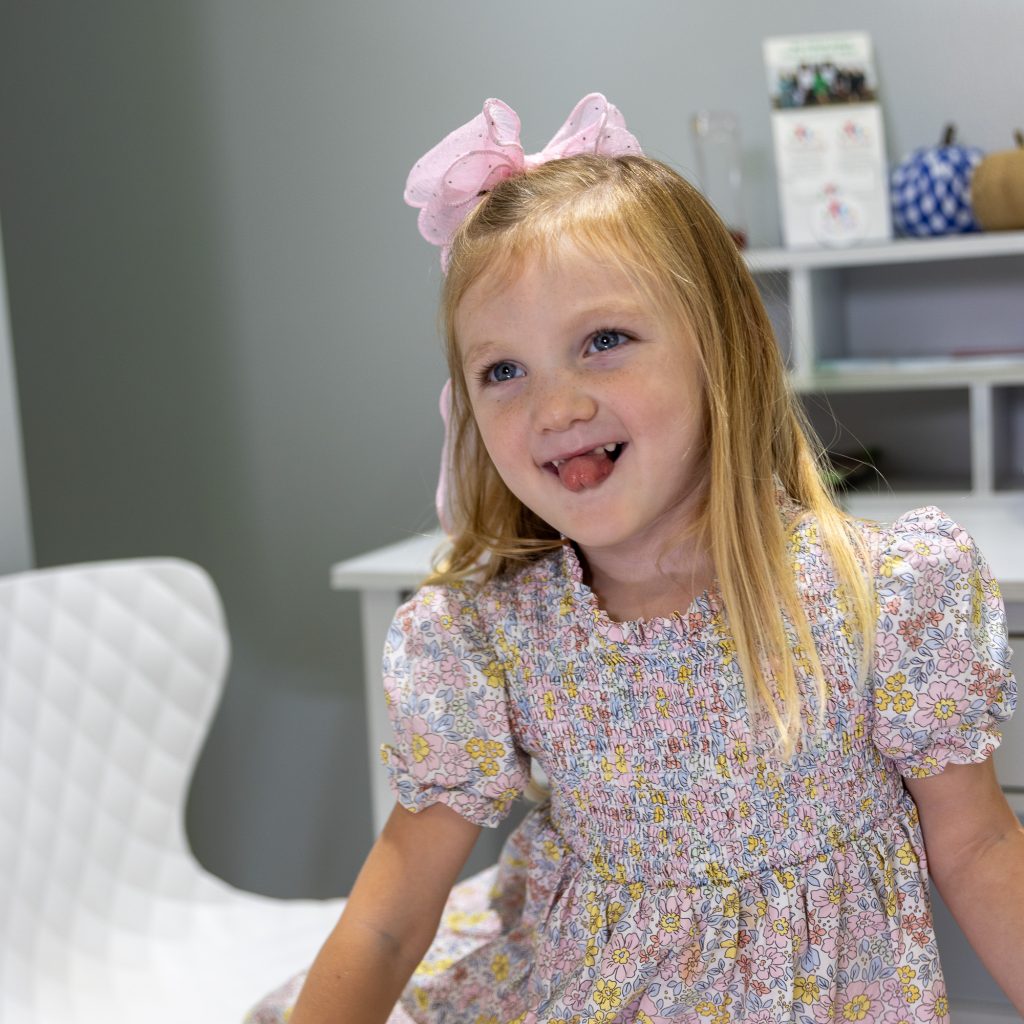


Parents do not have to wait until they are certain something is wrong before bringing up a concern.
Developmental monitoring includes watching how children grow and gain skills in areas such as playing, learning, speaking, behaving and moving. Parents, caregivers, teachers and healthcare providers can all notice changes or concerns over time.
You may want to start a conversation if you have questions about your child’s development, behavior, communication, learning or social interactions—or if someone who spends time with your child has raised a concern.
Questions about speech, movement, communication, play or other skills your child is developing.
Concerns about behavior, emotional regulation, routines or changes that are affecting everyday life.
Questions about school performance, learning, attention or skills that seem more difficult than expected.
Concerns about how your child communicates, interacts, plays or connects with other people.
Developmental care is not limited to one test at one appointment. Pediatricians follow development over time through ongoing developmental surveillance and, at recommended ages or when concerns arise, more formal developmental screening.
What you notice at home is an important part of understanding your child’s development.
Your provider may discuss skills related to communication, learning, movement, behavior and social development.
Health, birth, developmental and family history may provide useful context.
When appropriate, structured developmental screening tools can provide a more formal look at a child’s development.
Information from teachers, childcare providers or others who know your child may add valuable perspective, especially when concerns appear in different settings.
Depending on what is found, your provider may recommend monitoring, additional evaluation, intervention services or referral to another professional.
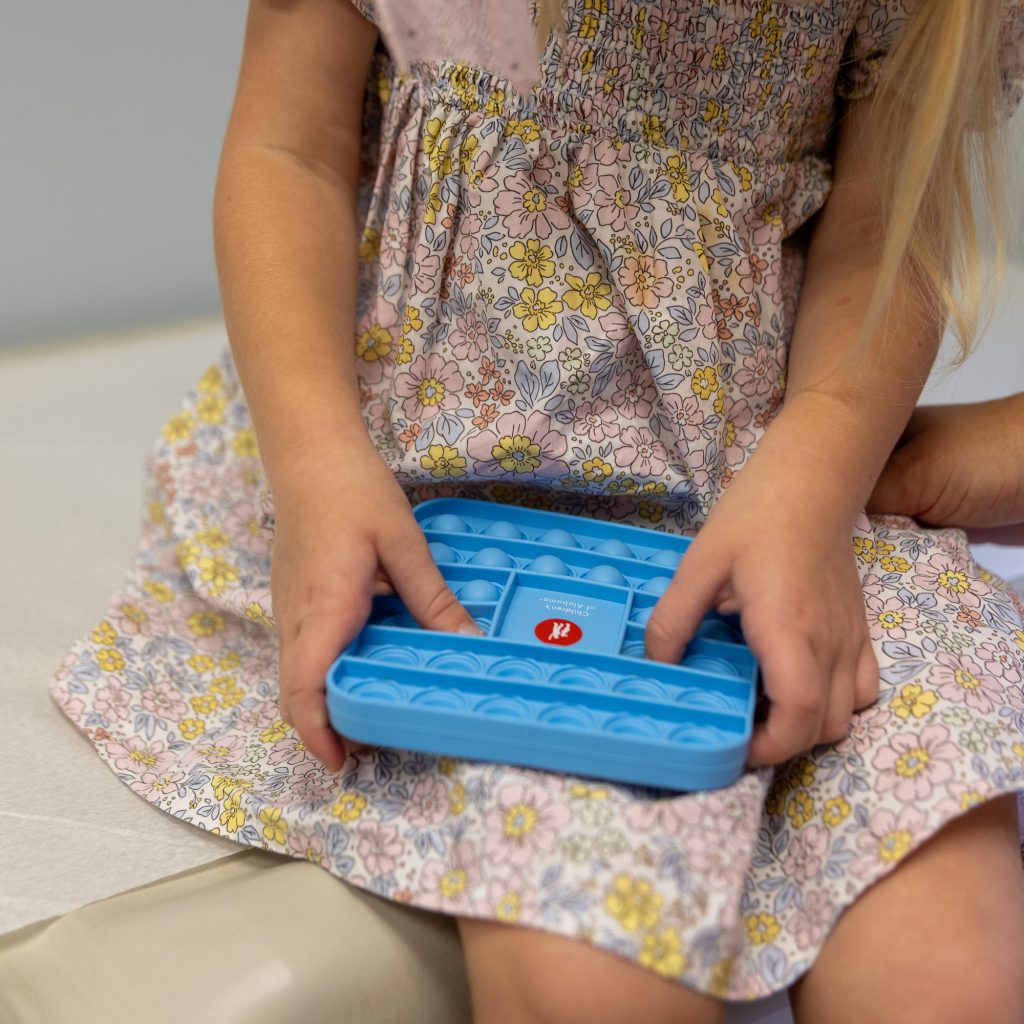
Developmental surveillance is an ongoing part of pediatric care. It includes listening to parent concerns, observing development and considering how a child is progressing over time.
The American Academy of Pediatrics recommends standardized developmental screening at 9, 18 and 30 months and autism-specific screening at 18 and 24 months. Screening may also be appropriate at other times when a parent or clinician has a concern.
Screening helps identify children who may benefit from a closer look. A screening result is not the same thing as a diagnosis.
A child’s development, behavior, emotions, and learning can affect one another. Understanding when concerns began, where they occur, and how they affect daily life can help your pediatrician determine appropriate next steps.
Questions about speech, movement, communication, or milestones may lead to further developmental monitoring, screening, or evaluation.
Emotional regulation, routines, challenging behaviors, or changes at home and school may warrant a closer look at developmental, emotional, or medical factors.
Teacher observations, school performance, and existing educational supports can help identify when additional medical, developmental, or educational evaluation may be useful.
A child may behave or perform differently depending on where they are and what is being asked of them. Parents see routines, relationships and behavior at home. Teachers may see attention, learning, peer interaction and classroom behavior. Childcare providers may notice communication, play or developmental skills among peers.
Developmental and behavioral concerns aren’t always easy to explain. Sometimes parents notice changes at home, while teachers or caregivers see something different.
One parent we interviewed described bringing concerns about her young daughter’s big emotions to our pediatric team. The conversations helped her better understand age-typical behavior and how to respond as her daughter grew.
Our approach begins with listening to these observations, considering each child’s development and health history, and helping families understand whether monitoring, screening, additional evaluation, or other support may be appropriate.
What are you noticing in daily routines, communication, behavior or play?
Are teachers seeing learning, behavior, attention or social concerns?
How does your child communicate, interact or participate with peers?
Has the concern always been present, or has something recently changed?


If you have questions about your child’s communication, social interaction, behavior or development and are wondering about autism, you can start that conversation with your pediatrician.
The AAP recommends autism-specific screening for all children at the 18- and 24-month well-child visits, along with developmental surveillance and general developmental screening. Additional screening or evaluation may be appropriate when concerns are present.
There is no blood test or other single medical test that diagnoses autism. Evaluation looks at a child’s developmental history and behavior, and some children may need referral to a clinician with additional expertise for diagnostic evaluation.
Difficulty with attention, impulsivity, organization, school performance or activity level may sometimes lead families or teachers to ask whether ADHD should be considered. An ADHD evaluation is its own clinical process and generally includes information about symptoms and functioning across different settings rather than relying on one observation or test.
If attention is one of the primary concerns you are seeing, we have a dedicated page explaining how pediatric ADHD evaluation and ongoing care work.
Developmental & Behavioral Care
Broad concerns and next steps
ADHD Evaluation & Treatment
Focused evaluation for attention, impulsivity and related concerns
When developmental or behavioral concerns arise, the next step depends on your child’s age, symptoms, and individual needs.
Your pediatric provider may recommend continued monitoring, standardized screening, additional evaluation, or support from other professionals.
For school-age children, educational evaluations, classroom supports, and other school resources may be part of the conversation.
When more information is needed, your provider may recommend evaluation by a developmental specialist or another appropriately qualified professional.
Alabama’s Early Intervention System provides evaluation and support services for eligible infants and toddlers under age three with developmental delays or conditions that may affect development.
Families do not need to wait for a confirmed autism diagnosis to ask about developmental evaluation or early-intervention services.
Depending on the concern, speech-language therapy, occupational therapy, physical therapy, or behavioral services may be considered.

You do not need to arrive with a complete diagnosis or a stack of records. Start with what you are seeing.
If you have additional information from school, childcare, therapists or previous evaluations, bringing it with you can help your pediatric team better understand the concern.
Any time you have a concern. Developmental surveillance is intended to happen throughout pediatric care, and concerns raised by parents or providers can prompt additional standardized screening or referral when appropriate.
Developmental monitoring is the ongoing process of watching how a child grows and gains skills over time. Developmental screening is a more formal process that uses standardized tools to look more closely at development.
The American Academy of Pediatrics recommends standardized developmental screening at 9, 18 and 30 months, with autism-specific screening at 18 and 24 months. Screening may also be appropriate at other times when concerns arise.
No. Screening helps identify children who may need additional evaluation. A concerning screening result can lead to further developmental or medical evaluation and, when appropriate, referral for services.
Bring your concerns to your pediatrician. Autism evaluation considers developmental history and behavior rather than relying on a single medical test. Pediatricians can screen for autism and help determine whether further diagnostic evaluation or referral is appropriate.
Yes, when available. Teacher observations, school evaluations, report cards, IEPs or 504 plans can provide additional context when learning, behavioral or developmental concerns are being discussed.
No. If you have concerns about your child's development, talk with your pediatrician rather than waiting for a formal diagnosis. Developmental screening and further evaluation may help identify appropriate next steps. For young children with identified delays, early-intervention services may be recommended even while a diagnostic evaluation is still underway.
Yes. Attention and behavior can be part of a broader developmental conversation. If ADHD becomes a primary concern, your pediatric provider may recommend a more focused ADHD evaluation.
If additional expertise or services are appropriate, the pediatric team can discuss referral options and help families understand the next step. AAP developmental guidance includes referral and follow-up as important parts of care when developmental concerns are identified.
You do not need to know exactly what is causing a concern before talking with your pediatrician.
If something about your child’s development, learning or behavior has you wondering, start the conversation.
You do not have to figure it out before you call. Tell us what you are seeing and start the conversation with the pediatric office most convenient for your family.
With offices in Sylacauga, Chelsea, and Birmingham’s Valleydale area, families can choose the pediatric office most convenient for them. Select a location below to call, get directions, or view complete office information.
115 West Clay Street
Sylacauga, Alabama 35150
134 Foothills Parkway
Chelsea, Alabama 35043
1200 Providence Park, Suite 100
Birmingham, Alabama 35242

Providing compassionate comprehensive pediatric care for infants, children, and adolescents at three convenient locations in Alabama.
115 West Clay Street
Sylacauga, Alabama 35150
Mon – Thu: 8:00AM – 5:00pm
Fri: 9:00am – 12:00pm
Mon – Thu: 9:00AM – 4:00pm
Fri: 9:00am – 12:00pm
Mon – Fri: 9:00am – 4:00pm
© 2027 Summit Pediatrics. All Rights Reserved.
